Your Cool Home is supported by its readers. Please assume all links are affiliate links. If you purchase something from one of our links, we make a small commission from Amazon. Thank you!
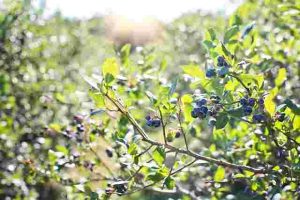
Image Credit: Pixabay
Blueberry bushes thrive best when mulched properly.
The best mulching practices for blueberry bushes include choosing the right mulch materials, applying the mulch at the right time and depth, and maintaining the mulch to support healthy growth and fruit production.
Mulching blueberry bushes is essential to retain soil moisture, regulate soil temperature, suppress weeds, and improve soil acidity — all key factors for these acid-loving plants.
In this post, we will explore the best mulching practices for blueberry bushes that will help your plants flourish season after season.
Let’s dive into how to mulch blueberry bushes for maximum benefits.
Why Mulching is Key for Blueberry Bushes
Mulching blueberry bushes is crucial because it creates the ideal growing environment for these delicate plants.
Without proper mulching, blueberry bushes can struggle with weed competition, moisture fluctuations, and less than ideal soil conditions.
Understanding why mulching blueberry bushes matters will help you see how the right mulching techniques improve plant health and boost berry yield.
1. Mulching conserves soil moisture
Blueberry bushes prefer consistently moist soil but don’t like “wet feet” that can cause root rot.
Mulching blueberry bushes helps retain soil moisture by reducing evaporation.
This keeps the roots hydrated and reduces the frequency of watering.
A well-mulched blueberry bed means your bushes won’t stress during hot, dry spells.
2. Mulching controls soil temperature
Soil temperature fluctuations stress blueberry roots and slow growth.
The best mulching practices for blueberry bushes involve applying an insulating layer of mulch, which buffers the soil from temperature extremes.
In winter, mulch protects roots from freezing.
In summer, it keeps roots cool.
This temperature moderation helps ensure healthy roots and consistent berry production.
3. Mulching suppresses weeds effectively
Weeds compete with blueberry bushes for nutrients, water, and light.
Mulching blueberry bushes smothers weed seeds, preventing them from germinating.
Without mulch, aggressive weeds take over quickly, crowding out young blueberry bushes.
The best mulching practices for blueberry bushes include applying enough mulch to block out light and reduce weed pressure naturally.
4. Mulch improves soil acidity and health
Blueberry bushes thrive in acidic soil with a pH between 4.5 and 5.5.
Certain mulches, like pine needles or wood chips from conifers, naturally help maintain soil acidity.
As mulch breaks down, it adds organic matter to the soil, improving texture and fertility — essential for robust blueberry bushes.
Mulching blueberry bushes with acidic organic material is a key practice for long-term soil health.
Choosing the Best Mulch for Blueberry Bushes
Not all mulches are created equal, and the best mulching practices for blueberry bushes start with selecting the right mulch.
Using the wrong mulch can introduce weeds, pests, or alter soil pH unfavorably.
Here are the best mulch materials for blueberry bushes you should consider.
1. Pine needles – the ideal mulch for blueberries
Pine needles, or pine straw, are widely regarded as the best mulch for blueberry bushes.
They provide excellent moisture retention and weed suppression.
Pine needles naturally break down slowly, adding acidity to the soil which blueberries love.
Plus, they allow water to penetrate easily without compacting.
If you can source pine needles, this is the best mulch for blueberry bushes to maintain healthy soil conditions.
2. Wood chips or shredded bark from conifers
Wood chips from pine, fir, or spruce trees are another great mulch option.
They last longer than pine needles and add organic matter slowly to the soil.
Using fresh, non-treated wood chips helps keep soil acidic and improves moisture retention.
Avoid hardwood chips or shredded bark from hardwoods as they can raise soil pH, which blueberries dislike.
For those looking for long-lasting mulch, conifer wood chips are among the best mulching practices for blueberry bushes.
3. Sawdust from softwood trees
Sawdust from softwood trees can be a good mulch if applied properly.
It decomposes faster, so it needs replenishing more often.
Be careful with sawdust because it can temporarily lock up nitrogen as it breaks down, so supplement with fertilizer to keep blueberry bushes healthy.
Sawdust applied correctly can improve soil structure and acidity, making it an acceptable mulch for blueberries.
4. Avoid using leaf mulch or hardwood mulch
Leaf mulch from deciduous trees and hardwood bark mulch often raises soil pH, which is not ideal for blueberry bushes.
They may also harbor weed seeds or fungal diseases.
The best mulching practices for blueberry bushes avoid these mulch types unless you can confirm they come from acidic sources or have been properly composted.
Choosing the right mulch is step one toward healthy blueberry mulching.
Applying Mulch Correctly to Blueberry Bushes
Knowing how to mulch blueberry bushes is just as important as what mulch you use.
Applying mulch incorrectly can lead to moisture problems, disease, or root issues.
Here are the best mulching practices for blueberry bushes in terms of application technique.
1. Timing matters: mulch in spring or after planting
The best time to mulch blueberry bushes is in early spring once soil has started to warm up.
Mulching too early in winter can trap moisture against cold roots, increasing risk of rot.
For new blueberry bushes, apply mulch right after planting to protect young roots and conserve moisture.
You can also add a fresh layer of mulch in late fall to protect roots from winter cold.
Keep timing in mind for the best mulching practices for blueberry bushes.
2. Apply mulch 2 to 4 inches deep
Blueberry bushes benefit from 2 to 4 inches of mulch around their base.
This depth is enough to suppress weeds, retain moisture, and insulate roots without suffocating them.
Avoid over-mulching, which can keep soil too wet and encourage disease.
Spread mulch evenly in a thick layer but keep mulch a few inches away from the stem to prevent stem rot.
This careful application is a key part of mulching blueberry bushes properly.
3. Keep mulch a few inches away from stems
One of the best mulching practices for blueberry bushes is to avoid piling mulch directly against the stems.
Mulch touching stems can trap moisture, causing stem rot and fungal diseases.
Leave a 2-3 inch gap between the base of the stems and the start of the mulch.
This keeps the plants healthy while your mulch works its magic in the root zone.
4. Refresh mulch annually
Mulch naturally decomposes and thins out over time.
For blueberry bushes, replenish your mulch every spring or mid-season.
Adding fresh mulch maintains consistent soil conditions and continues weed suppression.
Regular mulching is necessary because the best mulching practices for blueberry bushes depend on maintaining that protective layer year-round.
Extra Tips for Mulching Blueberry Bushes Successfully
To get the most from your mulching practices, here are some bonus tips that accompany the best mulching practices for blueberry bushes.
1. Test and amend soil pH regularly
Though mulching helps maintain acidity, it’s important to test your soil pH to make sure it stays in the optimal 4.5 to 5.5 range.
If soil pH rises, add elemental sulfur or acidic amendments.
Mulching blueberry bushes is most effective when soil pH is correct to begin with.
2. Water well after mulching
After applying mulch, water your blueberry bushes thoroughly.
This settles the mulch and starts the moisture retention process.
Watering also helps dissolve nutrients so roots can absorb them more easily.
Mulching blueberry bushes and watering afterward go hand in hand for the plant’s benefit.
3. Use mulch to protect from pests
Mulch can help reduce pest problems by preventing weeds that harbor insects.
Some gardeners also plant pest-repellent herbs in their mulch to deter harmful bugs.
Keeping mulch healthy and free of mold reduces risks to blueberry bushes as well.
Mulching blueberry bushes thoughtfully adds a layer of protection against pests.
4. Avoid using plastic mulch
While plastic mulch suppresses weeds, it traps heat and doesn’t improve soil health.
Blueberry bushes prefer natural mulches that add organic matter and help maintain acidic soil.
Plastic mulch’s downsides mean it’s not part of the best mulching practices for blueberry bushes.
So, What Are the Best Mulching Practices for Blueberry Bushes?
The best mulching practices for blueberry bushes involve using acidic organic mulches like pine needles or conifer wood chips applied 2 to 4 inches deep, while keeping mulch a few inches away from stems.
Mulching blueberry bushes helps retain moisture, regulate soil temperature, suppress weeds, and maintain soil acidity — all essential for healthy growth and abundant fruit.
Timing your mulch application properly in spring or after planting, watering well, and refreshing mulch annually will keep your blueberry bushes thriving year after year.
Avoid using hardwood, leaf mulch, or plastic mulch, as they don’t support blueberry soil requirements.
Regular soil pH testing combined with these mulching best practices ensures your blueberry bushes stay happy and productive.
Start mulching correctly today, and enjoy bigger, juicier blueberries tomorrow!