Your Cool Home is supported by its readers. Please assume all links are affiliate links. If you purchase something from one of our links, we make a small commission from Amazon. Thank you!
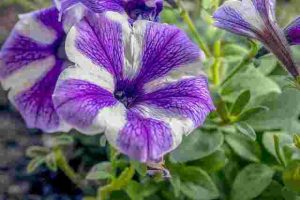
Image Credit: Pixabay
How to deadhead petunias for more flowers and healthier growth is a simple gardening technique that can dramatically improve the appearance and vitality of your petunia plants.
Deadheading petunias helps redirect the plant’s energy from seed production to creating more blooms and encourages bushier, healthier growth.
In this post, we’ll explore why and how to deadhead petunias properly, the best tools and timing for deadheading, and additional care tips to keep your petunias flourishing all season long.
Let’s dive into how to deadhead petunias for more flowers and healthier growth!
Why Deadhead Petunias for More Flowers and Healthier Growth?
Deadheading petunias for more flowers and healthier growth works because it stops the plant from wasting energy on old, spent blooms and seed production.
When petunias keep their dead flowers, the plant naturally moves energy toward seed formation instead of creating fresh blossoms.
1. Encourages Continuous Blooming
Removing faded or dead flowers signals the petunia plant to produce new buds instead of going to seed.
This results in a longer flowering season with more vibrant and abundant blooms.
2. Promotes Healthier, Bushier Growth
Deadheading petunias helps maintain the right balance of growth hormones in the plant.
By taking off dying blooms, the plant focuses more on growing strong stems and leaves, leading to a fuller and bushier petunia.
3. Prevents Disease and Pest Problems
Leftover dead flowers can become breeding grounds for mold, mildew, and pests.
Regular deadheading improves air circulation and reduces the risk of unwanted diseases on your petunias.
When and How to Deadhead Petunias for Best Results
Knowing the right time and method for deadheading petunias is crucial to getting the most flowers and healthiest growth from your plants.
1. Timing Your Deadheading Sessions
The best time to deadhead petunias is as soon as the flowers start to wilt or fade.
Check your petunias regularly — at least twice a week during peak blooming seasons — and promptly remove spent flowers.
This ensures the plant quickly diverts energy to new blooms rather than seed development.
2. How to Deadhead Petunias Correctly
To deadhead petunias for more flowers and healthier growth, start by locating the base of the wilted flower where it connects to the stem.
Pinch or snip off the spent flower just above the first set of healthy leaves or where you see a new bud forming.
This encourages the plant to branch out and produce more flower buds.
Avoid leaving any flower parts behind, as they can still drain energy from the plant.
3. Use the Right Tools
For quick and clean deadheading, use sharp garden scissors or pruning shears.
This minimizes damage to the plant and speeds up the removal of dead flowers.
If you prefer, you can also pinch dead flowers off with your fingers, but scissors often make the process tidier and easier.
Additional Care Tips to Boost Petunias’ Flower Production and Health
Besides regularly deadheading petunias for more flowers and healthier growth, there are other maintenance tips that can help keep your petunias thriving.
1. Feeding Your Petunias Properly
Petunias benefit from regular feeding with a balanced, water-soluble fertilizer.
Apply fertilizer every two weeks during the growing season to replenish nutrients and encourage new blooms.
Using a fertilizer high in phosphorus promotes flowering, helping your petunias shine.
2. Watering with Care
While petunias love sunshine, they prefer consistent moisture without being soggy.
Water when the soil feels dry to the touch, usually once or twice a week depending on weather conditions.
Avoid overhead watering to minimize fungal diseases — instead, water gently at the base of the plant.
3. Pinch Back Petunias for Bushier Growth
Besides deadheading, pinching back petunias can also help promote more flowers and healthier growth.
Trim the stems by about one-third early in the growing season to encourage branching and a fuller shape.
Combine pinching with regular deadheading for the best flowering results.
4. Provide Plenty of Sunlight
Petunias thrive in full sun and need at least 5-6 hours of direct sunlight daily to bloom profusely.
Make sure to plant your petunias in a sunny spot to maximize flower production after deadheading.
Common Mistakes to Avoid When Deadheading Petunias
To successfully deadhead petunias for more flowers and healthier growth, it helps to steer clear of these frequent errors.
1. Waiting Too Long to Deadhead
If you wait too long, spent flowers will develop seed pods that take energy away from blooming.
Prevent this by deadheading promptly and consistently throughout the growing season.
2. Cutting Too Much or Too Little
Avoid cutting too far down the stem, which can stress the plant.
Only remove the faded flower and a small portion of the stem near a leaf or bud node.
Also, don’t just nip the flower petals off — remove the entire spent flower head for best results.
3. Neglecting Aftercare Post-Deadheading
Deadheading alone won’t guarantee more flowers if the plant’s overall care is poor.
Continue with proper watering, feeding, and sunlight exposure to support the petunia’s rebound after deadheading.
So, How to Deadhead Petunias for More Flowers and Healthier Growth?
How to deadhead petunias for more flowers and healthier growth is by regularly removing spent blooms right at the base of the flower as soon as they wilt.
This simple act stops the plants from wasting energy on seed production and instead channels it into creating fresh flowers and stronger growth.
By deadheading petunias consistently, using clean scissors or pinching, and combining this with proper watering, feeding, and sunlight, you’ll enjoy a vibrant display of colorful blooms all season long.
Avoid common mistakes like waiting too long or cutting improperly to get the most benefit from deadheading.
When you follow these easy steps on how to deadhead petunias for more flowers and healthier growth, your garden will reward you with endless blossoms and stunning plants you’ll be proud of.