Your Cool Home is supported by its readers. Please assume all links are affiliate links. If you purchase something from one of our links, we make a small commission from Amazon. Thank you!
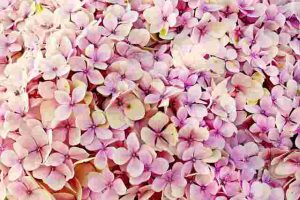
Image Credit: Pixabay
Hydrangeas can grow in shade, and many varieties actually thrive in partial to full shade environments.
For gardeners wondering, “Can hydrangeas grow in shade?” the answer is a definite yes — but with some important considerations to keep them healthy and blooming beautifully.
In this post, we’ll explore why hydrangeas can grow in shade, which types prefer shadier spots, and what you need to do to care for hydrangeas growing in less sunny areas.
Let’s dive into the world of shade-loving hydrangeas!
Why Hydrangeas Can Grow in Shade
Many gardeners ask, “Can hydrangeas grow in shade?” because they often associate flowering plants with full sun exposure.
The truth is, hydrangeas are quite adaptable and can grow in various light conditions, including shady spots.
1. Hydrangeas Naturally Prefer Partial Shade
Most hydrangeas are native to forested areas or woodland edges where sunlight is filtered through trees.
This natural habitat means they are well adapted to grow in partial shade.
When you ask if hydrangeas can grow in shade, it’s useful to know they generally do best with morning sun and afternoon shade, which mimics their natural conditions.
2. Shade Protects From Intense Heat
In hot climates, hydrangeas may struggle in full sun all day, which can cause their leaves to wilt or flowers to fade quickly.
Growing hydrangeas in shade can help protect them from intense heat and sunburn, keeping them cooler and reducing water stress.
So yes, hydrangeas can grow in shade and may even prefer it under the right conditions.
3. Flower Color and Shade
Sunlight levels can actually affect the color vibrancy of certain hydrangeas, especially the popular bigleaf varieties (Hydrangea macrophylla).
Hydrangeas grown in shade typically produce more lush, green foliage and softer flower colors.
This means if you want vibrant, saturated flower colors, a bit of sun is helpful, but hydrangeas can still grow in shade with lovely blooms.
Which Hydrangea Types Grow Best in Shade?
When exploring “Can hydrangeas grow in shade?” it’s important to select shade-tolerant varieties.
Not all hydrangeas handle shade equally well, so knowing which types flourish in lower light will dramatically improve your gardening success.
1. Hydrangea arborescens (Smooth Hydrangea)
Smooth hydrangeas are among the best for shady gardens.
They tolerate deep shade and still produce large, beautiful blooms, making them a perfect choice for shady borders or woodland gardens.
Their adaptability makes them a top answer to the question of whether hydrangeas can grow in shade.
2. Hydrangea quercifolia (Oakleaf Hydrangea)
Oakleaf hydrangeas are naturally shade lovers.
They can handle both full and partial shade, and their uniquely shaped leaves and long-lasting flowers add great texture to shaded areas.
Plus, their fall foliage color brings extra garden interest when leaves turn deep reds and purples.
3. Panicle Hydrangea (Hydrangea paniculata)
Panicle hydrangeas are versatile but prefer some sun to reach full bloom potential.
However, they tolerate partial shade quite well, especially in hotter climates where afternoon shade prevents heat stress.
They provide large, cone-shaped flower clusters even when grown in filtered shade, making them a popular choice.
4. Bigleaf Hydrangea (Hydrangea macrophylla)
Bigleaf hydrangeas are the classic garden hydrangeas with mophead or lacecap flowers.
They do best with morning sun and afternoon shade but can struggle in deep shade with fewer blooms and more leggy growth.
So, while bigleaf hydrangeas can grow in shade, they generally need at least some bright, indirect light to thrive.
How to Care for Hydrangeas Growing in Shade
Since hydrangeas can grow in shade, understanding how to care for these plants in low light is important for keeping them healthy and blooming.
1. Soil and Moisture Management
Hydrangeas growing in shade often prefer rich, well-draining soil that holds moisture.
Because shade reduces evaporation, these plants may require less frequent watering than those in full sun, but it’s still essential to keep the soil consistently moist for hydrangeas in shade.
Mulching around the base helps retain moisture and adds nutrients as it breaks down.
2. Fertilizing for Shade-grown Hydrangeas
Hydrangeas growing in shade may grow more foliage than blooms, so using a balanced fertilizer can encourage flowering.
A fertilizer higher in phosphorus supports better bloom production, which counters the shade’s tendency to promote leafy growth.
Feed your hydrangeas in early spring and again mid-season for best results.
3. Pruning Practices
Pruning hydrangeas grown in shade helps maintain shape and encourages stronger growth.
Different hydrangea species bloom on old or new wood, so it’s important to prune accordingly:
– Smooth and panicle hydrangeas bloom on new wood, so prune them in late winter or early spring.
– Bigleaf and oakleaf hydrangeas bloom on old wood, so prune right after flowering to avoid cutting off blooming stems.
Proper pruning will encourage healthy new growth even in shady conditions.
4. Maximizing Light in Shady Areas
Even though hydrangeas can grow in shade, maximizing available dappled or indirect light will improve their health and blooming potential.
Avoid planting in dense, dark shade with no morning or afternoon sun exposure.
If possible, thin overhanging tree branches or plant hydrangeas near reflective surfaces to boost available light.
This approach addresses the question, “Can hydrangeas grow in shade?” by optimizing their environment within shade.
Common Challenges With Growing Hydrangeas in Shade and How to Overcome Them
While hydrangeas can grow in shade, there are a few challenges to keep in mind to ensure success.
1. Fewer Flowers in Deep Shade
One of the biggest issues with hydrangeas growing in deep shade is reduced flowering.
Hydrangeas rely on sunlight to produce energy for blooms, so if your shrub looks leafy but isn’t flowering much, lack of light is a likely culprit.
Choose shade-tolerant varieties and supplement light when possible to improve flowering.
2. Risk of Powdery Mildew and Fungal Diseases
Shady, moist conditions can encourage fungal issues like powdery mildew.
Ensure good air circulation around your hydrangeas and avoid overhead watering to reduce moisture on leaves.
Proper spacing of plants and pruning for airflow also help fight fungal problems in shaded hydrangea beds.
3. Leggy or Sparse Growth
Hydrangeas may grow leggy or sparse in shade as they stretch for light.
Regular pruning encourages bushier growth and stronger stems.
Selecting the right species and providing some filtered light will keep plants full and attractive.
So, Can Hydrangeas Grow in Shade?
Hydrangeas absolutely can grow in shade — many varieties thrive with partial to full shade when given proper care.
The answer to “Can hydrangeas grow in shade?” depends largely on selecting shade-tolerant types like smooth, oakleaf, or panicle hydrangeas and adjusting watering, fertilizing, and pruning approaches.
While deep, dense shade might reduce flowering and increase some disease risks, the rewards of beautiful foliage and blooms make growing hydrangeas in shade a worthy endeavor.
By understanding how hydrangeas handle shade and tailoring your gardening accordingly, you’ll enjoy healthy plants and charming blossoms even in less sunny corners of your garden.
So yes, hydrangeas can grow in shade — and when you grow them right, they’ll light up your shady spots with style.